There are many storytelling devices that shape fantasy fiction narratives, but few are as enduring and captivating as the “Chosen One” trope. It’s a theme that has the proven power to endure. From ancient myths to modern novels, the idea of a singular individual destined to save the world resonates deeply across cultures and generations.
So, what is it about that trope that still captures the imagination of a 21st century audience? And how does it function within fantasy stories today? As one half of a writing team who’ve been exploring this trope in a brand new romantasy series, I don’t find those questions, or their answers, trivial. In fact, understanding them is key to our success as storytellers!
Read on to find out what makes the Chosen One trope resonate so enduringly with readers.
What Makes Any Protagonist a “Chosen One?”

At its most basic, the Chosen One is marked by prophecy, fate, or divine intervention to accomplish something extraordinary, often involving the salvation or destruction of their world. More often than not, the Chosen One starts as an unassuming figure, someone like an orphan, farmhand, or outcast. The progress of the story gradually reveals their importance.
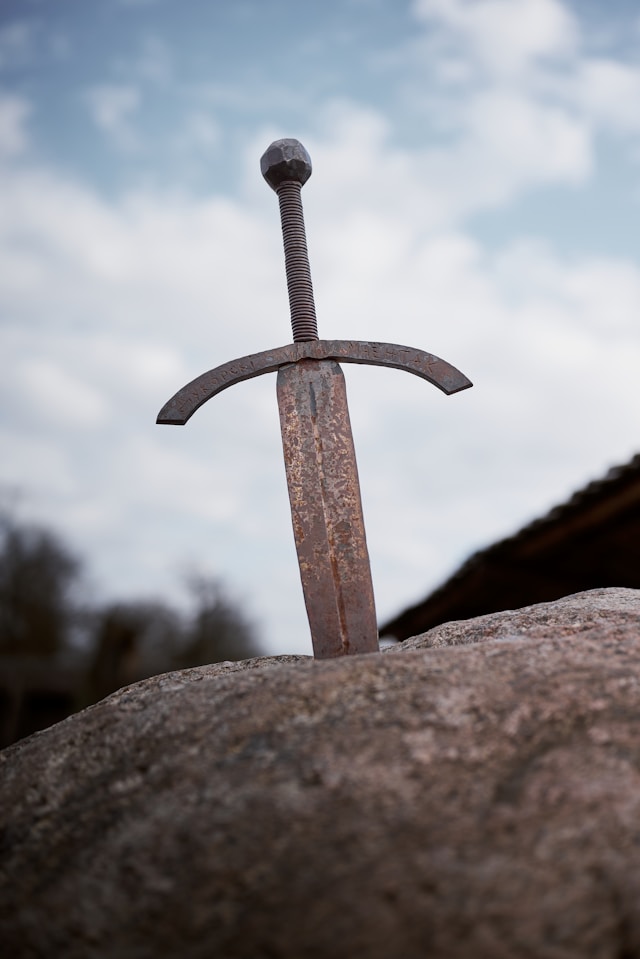
The popularity of this trope has certainly stood the test of time. As far back as the Bronze Age, storytellers told tales of Moses, a man who was prophesied to lead his people to freedom. The hero tales of Hercules seem to have originated in about the 12th century BC. Jump ahead a few millennia and King Arthur rises from the depths of the Dark Ages to pull a sword from a stone. These were characters that embodied hope and renewal amid chaos. They reinforced the deeply held human belief that fate has a plan even in the darkest times.
The Eternal Resonance of the Chosen One Trope
At its most basic, the staying power of the Chosen One trope is rooted in every human being’s desire to be special. We want to feel that there is some hidden quality or trait or destiny that sets us apart from those around us. Therefore, it's a compelling narrative framework in that that it touches something that we all share---something that makes us human. The Chosen One’s journey is simultaneously personal and universal. It is a metaphor for transformation and self-actualization.
A Chosen One is Often an Underdog
And don't we love rooting for the underdog? Most Chosen Ones start as nobodies. They’re ordinary—perhaps even disadvantaged—before rising to meet extraordinary challenges. We cheer for underdogs in real life, and fantasy fiction amplifies this dynamic to epic proportions. Frodo Baggins, a humble hobbit, ends up saving Middle-earth? That’s powerful stuff.

Fate, or Free Will?
The trope also taps into our fascination with fate versus free will. Are heroes truly destined, or do they forge their own paths? Are they slaves to the will of higher powers? Or does each forge their own destiny through their choices and the strength of their will? Those tensions create rich, inexhaustible dramatic possibilities. That's one reason why storytellers return to this trope when it's time to craft a new tale.
Simplicity and Order
Additionally, the Chosen One trope simplifies conflict. One hero can vanquish ultimate evil; one person holds the key to redemption. In complex, messy worlds—both fictional and real—this simplicity offers a comforting sense of order. This particular point draws a fair bit of modern blowback, however. Critics have pointed out that having one person bear the burden of saving the world tends to undermine collective action narratives. No one lives in a vacuum, after all, not even chosen heroes in fantasy fiction. All heroes need help to finish their quests. Would Frodo have succeeded without Sam’s unwavering support? Would Harry Potter have defeated Voldemort without Hermione and Ron?
Subversions and Modern Takes
While the Chosen One trope is beloved, it also faces scrutiny for its predictability and potential to overshadow other characters. In response to these critiques, modern fantasy writers have found ways to subvert or complicate the trope. Such as:
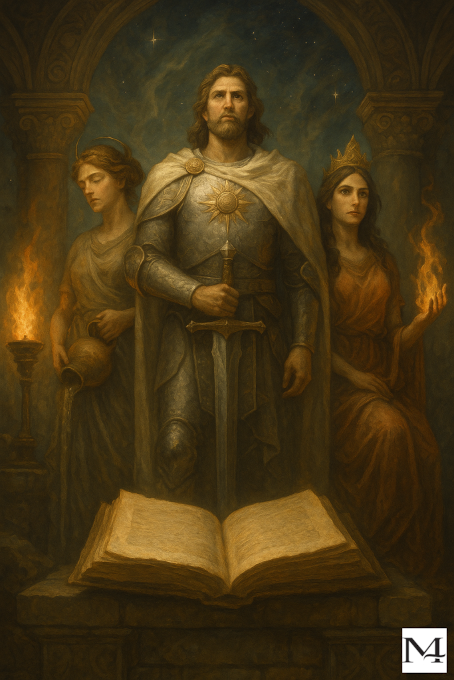
- Multiple Chosen Ones: Series like Avatar: The Last Airbender blend the trope with teamwork-focused narratives. They emphasize that even the Chosen One requires others to achieve their destiny. Not coincidentally, our forthcoming novel, What God Has Ordained, uses two “Chosen Ones” as its romantasy protagonists. Athos and Coralin navigate the complexities of falling in love along with the mysteries and challenges of being “chosen” for a great destiny, of which they are at first completely unaware.
- Reluctant Rejector of Destiny: Rather than accepting their fate, some Chosen Ones attempt to escape it altogether, providing fertile ground for internal conflict. In Philip Pullman’s His Dark Materials, Lyra resists being defined by prophecy and discovers her strength in defying expectations. And in What God Has Ordained, Athos is a reluctant hero compelled by honor and duty into doing the impossible.
- False Chosen Ones: Some stories introduce characters who think they are the Chosen One, only for the narrative to take a sharp turn. This subversion adds complexity and raises questions about the reliability of prophecy and belief.
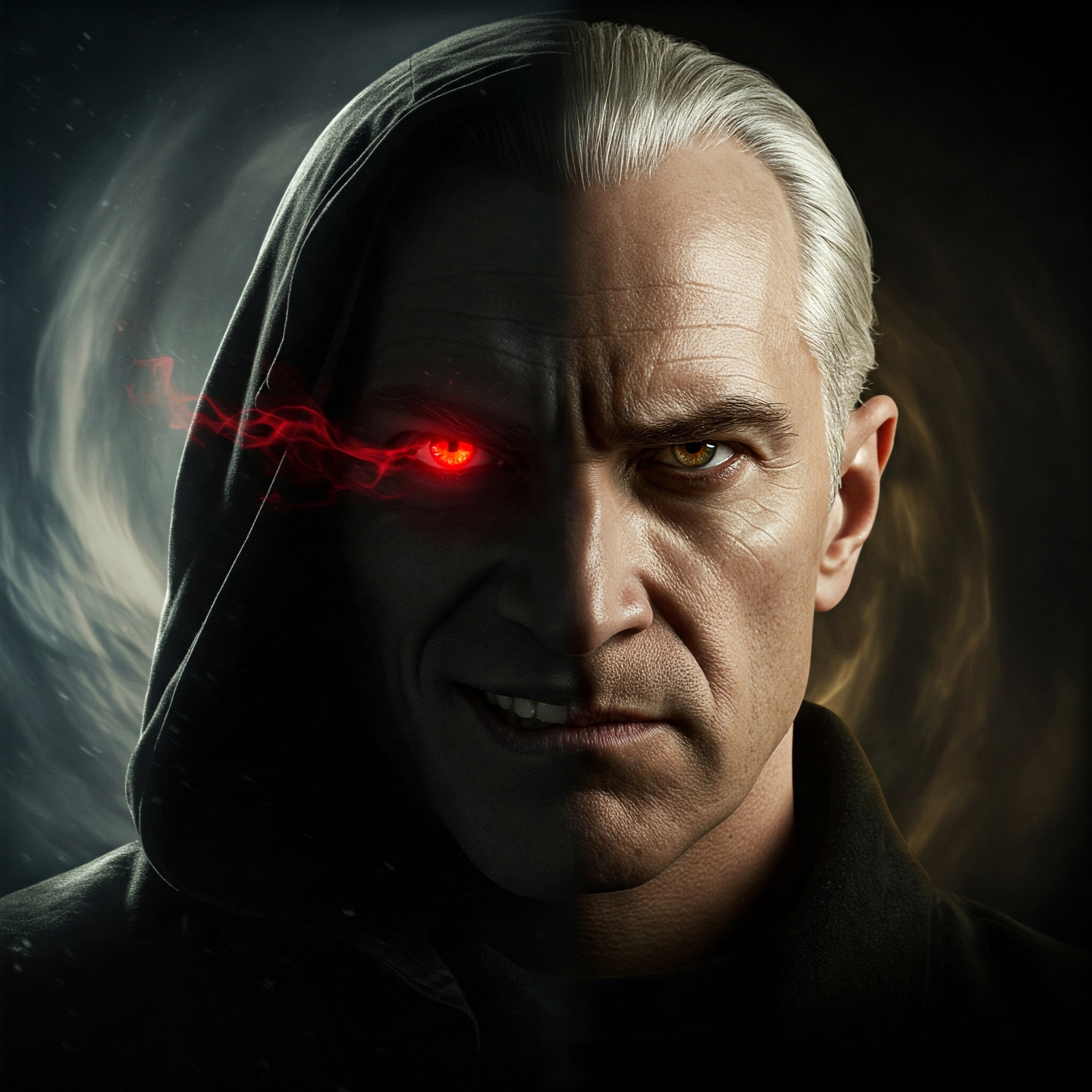
- Villainous Chosen Ones: What happens when someone chosen for greatness decides to use their gifts for harm? This darker twist flips the trope on its head, exploring morality and power in more nuanced ways.
These fresh perspectives enrich the trope, making it more nuanced. They can also lead readers back to the real-world complexities they were trying to escape, making them somewhat tricky to use in fantasy fiction.

Why the Chosen One Trope Still Matters
Despite evolving interpretations, the Chosen One remains a vital construct in fantasy fiction. It serves as a powerful storytelling lens. Through it we explore themes of identity, responsibility, and the human condition. Whether through classic narratives or innovative reinventions, this trope invites readers to consider what it means to rise above circumstance and face destiny—whether preordained or self-made.
Fantasy fiction is rooted in exploring the extraordinary, and the Chosen One trope is one of its purest expressions. Whether you’re wielding a magic sword, battling dark lords, submitting to God’s will, or decoding cryptic prophecies, it’s hard to resist the allure of a destiny that promises greatness.
After all, who doesn’t want to be special?
Featured Image by Dzmitry Shepeleu on Unsplash
The Menelon Gazette
If you are interested in more content like this (plus freebies, access to premium content etc.) subscribe to our newsletter for more from the world of Menelon and its creators!