


Featured Image by Dũng Ngô from Pixabay
Since I posted that piece on “the chosen one” trope I’ve been thinking about other tropes that have been and still are heavily-used by modern fantasy fiction storytellers. The first one that came to mind is “the hero’s quest,” which has been around since approximately forever. It’s one of the oldest known and most frequently used tropes in fantasy literature, so much so that “the chosen one” and “the hero’s quest” are almost synonymous in the minds of most casual readers.
But why? Why do storytellers reach for the hero’s quest trope again and again, even today? I used it in the fantasy fiction novelette Meridar Outpost One as a plot driver as recently as a few months ago. Coralin’s quest of faith was not merely an overland journey into danger but also a voyage of personal transformation. So what exactly makes the quest trope so enduring? And how do modern writers keep it fresh amidst a sea of traditional fantasy fiction? Read on, and I’ll show you what I discovered.

The Tri-Part Nature of the Hero’s Quest: The Call, The Journey, and The Homecoming
Classic quest narratives in fantasy fiction typically unfold in three key stages, each essential to building momentum and thematic depth. Joseph Campbell’s concept of the “Hero’s Journey” provides a useful lens to understand the hero’s quest trope’s structure.
- The Call to Adventure (Departure): The protagonist receives a challenge or summons that pulls them out of their ordinary world. This stage sets the stakes and establishes motivation. It’s often marked by hesitation or refusal, highlighting the bravery required to embark on the journey.
- The Road of Trials (Journey): The heart of the quest, this phase presents escalating obstacles, allies, and enemies. The protagonist faces external dangers and internal challenges, growing through successes and failures. This middle section tests resolve and develops resilience and character.
- The Return (Homecoming): Having achieved or failed the objective, the protagonist returns to their former life, but changed forever. This stage explores the fallout from the hero’s quest — how the hero and their community are transformed, and what legacy the journey leaves behind.
These three stages form a narrative skeleton that naturally lends itself to compelling storytelling. Each stage has its own emotional beats, pacing needs, and opportunities for character development.
One Story, Two Journeys—Without, and Within
The relationship between outer and inner quests in fantasy fiction is symbiotic. Without an outer quest, the narrative risks drifting without clear direction; without an inner quest, the story often feels shallow or mechanical. But used together, they create a literary “sweet spot” where the physical journey mirrors the emotional evolution.
The Outer Quest: Danger and Adventure
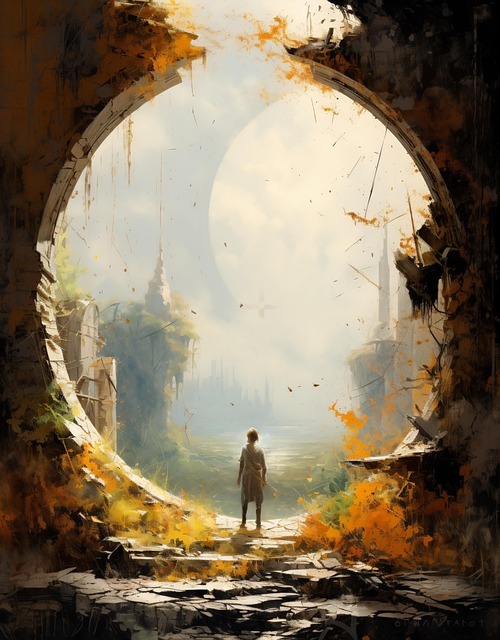
At its most basic, a hero’s quest involves a physical journey, or a pursuit: The character(s) set out to retrieve an object, rescue someone, or achieve a goal. This outer quest is what drives the narrative forward, creating suspense and excitement through obstacles, encounters, and discovery. Think of Frodo’s perilous mission to destroy the One Ring or Harry Potter’s hunt for Horcruxes. These journeys create palpable stakes and clear objectives. They propel the narrative forward with tension, anticipation, and adventure.
The Inner Quest: Personal Transformation

Yet, behind every outward journey in the hero’s quest lies the far more subtle and consequential inner quest. This is the hero’s emotional, psychological, or spiritual transformation. Turning to Frodo Baggins again, his outward mission is of course to destroy the One Ring. But, his inner quest is far more complex: grappling with temptation, burden, fear, and the loss of innocence. As he ventures further, he confronts not only external dangers but also the interior burdens of responsibility and sacrifice. This is a classic example of the outer quest driving the hero and the plot onward while the inner quest lends uncertainty and trepidation to the outer.
Giving It a Twist: Keeping It Fresh for Modern Readers
And this, I postulate, is the true enduring substance of the hero’s quest trope in fantasy fiction today: It’s almost universally relatable. We’re all searching for something–love, home, family, fame, fortune. We’re also all wrestling with intangibles like fear, loneliness, heartbreak, anger, the need for revenge, safety, love, or the courage to stand up for what we believe. The marriage of these outer and inner quests allows readers to relate to the hero’s trials on a personal level. While the surface details might be fantastical—a dragon to slay or a kingdom to save—the internal transformations reflect universal human experiences such as growth, redemption, and faith.
Given its enduring popularity, the hero’s quest as a trope can at times run the risk of feeling predictable or cliché. Luckily for us, contemporary fantasy writers are reinventing quests in imaginative ways that still manage to surprise and engage today’s audiences.
Here’s a list:
- Subverting the Heroic Ideal: Instead of infallible heroes, protagonists may be flawed or reluctant, challenging notions of heroism. For example, in some “grimdark” fantasies, quests can highlight moral ambiguity rather than clear good-versus-evil battles.
- Fragmented or Multiple Quests: Rather than a single linear journey, hero’s quest stories may feature intersecting quests or fragmented narratives that require piecing together by the reader, adding complexity and depth.
- Questioning the Quest’s Purpose: Modern narratives often question the value or consequences of the quest itself. What if achieving the goal causes harm? What ethical dilemmas arise? Questions like these provoke reflection on the nature and cost of “success.”
- Inner Quest Takes Center Stage: Some fantasy fiction stories minimize the outward journey in favor of profound internal exploration, blurring genre boundaries with literary fiction or magical realism.
- Diverse Settings and Perspectives: Using settings that are other than “Eurocentric medieval,” and incorporating different cultures, mythologies, and voices enriches the quest trope and expands its relatability to more audiences.
- Blending Genres: Combining fantasy quests with elements like mystery, romance, or science fiction creates hybrid experiences that defy expectations.
Conclusion: The Hero’s Quest as Mirror and Map
Like the “chosen one,” the “hero’s quest” trope remains a cornerstone of fantasy literature because it taps into universal human experiences: the desire for purpose, the struggle against adversity, and the power of transformation. Whether through grand adventures across magical lands or intimate journeys within the soul, quests give stories structure and emotional weight.
For writers and readers alike, exploring both the outer and inner dimensions of quests opens endless creative possibilities. By respecting the classic framework and yet still daring to innovate, fantasy continues to offer fresh quests that invite us all to embark on journeys of discovery — on the page and within ourselves.
It’s exactly that marriage of outer and inner quest that we built What God Has Ordained around. Coralin’s journey from Núrinen to Par-Isen at thirteen is the outer quest; what that fifteen years of training does to her faith, and to her, is the inner one. The book is available now — get your copy here.
Do you have a favorite quest story or a unique twist you’ve seen in fantasy literature? Share your thoughts in the comments below!
We use AI as a tool in our creative process — for research, drafting, editing, and keyword optimization. All content contains our human creative output and reflects our own creative vision, voices, and over-riding editorial judgment.
The Menelon Gazette
Enjoyed this? There's more where that came from — free reads, lore, and stories from behind the page, delivered straight to your inbox. No spam, unsubscribe at any time.