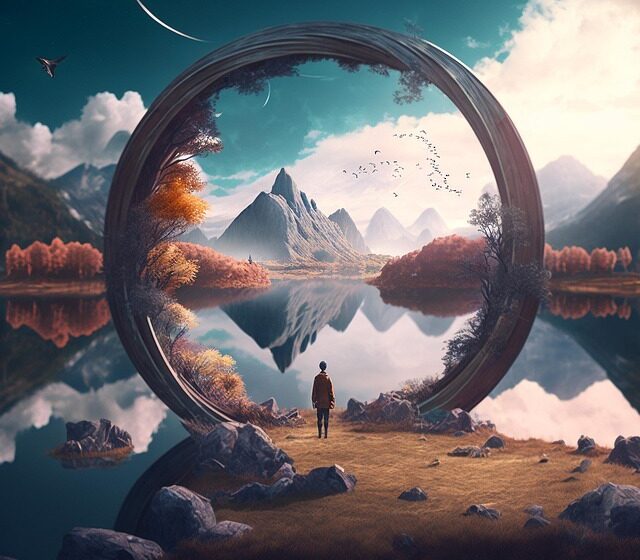

Featured Image by ThankYouFantasyPictures from Pixabay
As the primary storytellers for Metaphor Publications, Michael and I have deliberately pointed our fantasy fiction stories away from formulaic, plot-driven work and toward a more organic style of character-driven fiction. You’ll see it in our epic romantasy novel, What God Has Ordained (available now — get your copy). It’s a kind of storytelling where the narrative’s pulse beats in time with the complexities, desires, and growth of its characters. But what defines a work of fiction as “character-driven?” And why does it seem to resonate so deeply with readers?
What Can a Reader Expect from a Character-Driven Story?
When you pick up a character-driven story, you expect the people to come first: inner lives, choices, and consequences that feel as real as your own. The external plot — a quest, a war, a mystery — still happens, but it exists to pressure-test who the characters are, rather than the other way around. Readers can expect slower-building tension, emotional payoffs that hit home because you got there scene by scene, and an ending that shows who someone has become as well as what they accomplished. If you finish a book thinking more about a character than the plot twist, then it’s likely you were reading character-driven storytelling.
Character-Driven Fiction: The Heartbeat of Storytelling
At its core, character-driven fantasy fiction centers around the characters rather than the plot. It may seem an obvious distinction at first, but there are subtleties that are not always clear. For instance, much of modern commercial fiction hinges solely on events external to the characters, such as a mystery to solve, a battle to win, or a journey to complete. But for contrast, in character-driven stories the plot tends to emerge naturally, as a consequence of who the characters are and how they react to their circumstances. Instead of events being carefully engineered to create suspense or surprise, they arise organically from the choices and interactions of the characters themselves.

Stories That Reveal What Makes Us Human
Character-driven stories resonate with readers because they tap into what makes us human. They invite us to step into another person’s shoes, understand their perspective, and experience their emotional journey. This creates empathy and connection, which are powerful forces in storytelling.
Moreover, character-driven fantasy fiction often lingers in the mind long after the book is closed precisely because it does reflect genuine human experiences. It explores universal themes—love, loss, ambition, fear, redemption—through the lens of individual lives, making them timeless and relatable.
But What If the Characters Aren’t Human?
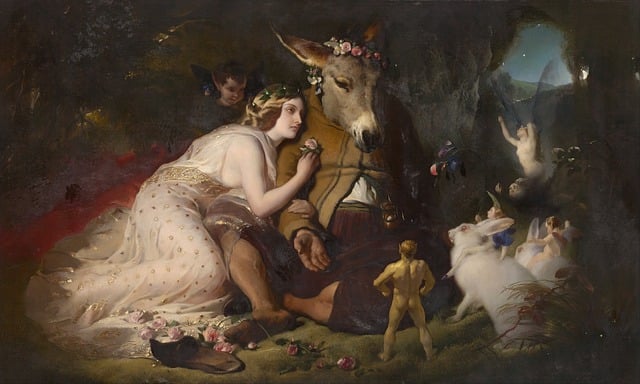
In fantasy fiction, not all protagonists are human. Sometimes the heroes and villains are members of other, imaginary races. Character-driven stories with non-human protagonists have to include racial aspects that do more than make the characters quirky, interesting, and unusual. The trick with these is to link their actions and reactions to their unique biology and racial background without stripping them of their ability to touch human emotions.
For instance, one of the consistent fantasy tropes for elves in storytelling is an indefinitely long life span. Elves do not usually die of “old age,” though they can be killed by most of the means that do for humans and other species. So while they don’t experience the eventual senescence that plagues human beings, they can and do experience fear, loss, grief, and even anger when friends or family members pass on to whatever awaits after death. Those emotional responses and how they are handled are at the heart of character-driven fiction.
Some Recommendations for Character-Driven Books to Read
If you came here because you already love character-driven stories and want more of them, I don’t blame you — once you notice the difference, it’s hard to settle for anything less.
Start with Paladin’s Grace by T. Kingfisher. It’s the book I point to most often when someone asks what I mean by character-driven romantasy — the plot exists, but it’s the characters’ wounds, and the slow, careful way they let each other in, that actually carries the book. Sue Lynn Tan’s Daughter of the Moon Goddess and Shelby Mahurin’s Serpent and Dove are two more I’d hand you without hesitation, each for different reasons — different wounds, different kinds of trust being rebuilt.
And if you want to see what Michael and I do with it ourselves — on the page, not just in a blog post about the theory of it — What God Has Ordained is where I’d point you next. Coralin spends the whole book becoming someone she wasn’t at the start, and that’s really the whole point of a character-driven story, isn’t it?
A Quick Take-Away: 5 Defining Features of Character-Driven Fiction
- Living, Breathing Characterization: Readers get intimate access to the inner workings of characters—their fears, hopes, quirks, and contradictions. Characters feel like real people with layered personalities rather than archetypes or video game avatars.
- Emotional Engagement: Because the story revolves around the characters, readers are able to become emotionally invested in their journeys. The ups and downs of characters feed directly into the emotional highs and lows of the narrative.
- Internal Conflict is a Plot Driver: In addition to the external forces in the storyline, the characters’ internal struggles and decisions play a big (if not bigger) part in steering the story. These could include grappling with guilt, identity crises, past bad choices, ethical and moral dilemmas, or complex, hard-to-handle relationships.
- Character Growth and Change: A hallmark of character-driven fiction is transformation. By the end, characters have undergone significant personal growth or change, which is satisfying and meaningful for readers.
- Subtle, Nuanced Plots: Plot tensions come from interpersonal dynamics, emotional revelations, and personal stakes. Throughout much of the plot, the external storyline may feel quieter or take a back seat compared to narratives that are strictly plot-driven.
Connecting Writers to Readers, and Readers to Another World
To sum up, character-driven fiction is storytelling at its most human, even when the protagonists are of some other race. It de-prioritizes formulaic plot devices in favor of authentic portrayals of people navigating the complexities of life. Understanding this genre will help deepen your appreciation for how stories connect us to ourselves, to others, and to the world around us.

So next time you dive into a fantasy fiction novel, take in a play, or watch a film, pay attention to the characters. If their journeys are the heartbeat of the story, it’s definitely character-driven, and it will probably be a story you’ll remember forever.
Got a character-driven favorite of your own? Why not take a tiny little risk and tell me about it in the Comments? It’s one of my favorite topics, and I would love to discuss it—with you!
The Menelon Gazette
Enjoyed this? There's more where that came from — free reads, lore, and stories from behind the page, delivered straight to your inbox. No spam, unsubscribe at any time.