
Featured image by Yuri_B from Pixabay
A quick author’s disclaimer: I have become bored with antiheroes. Or perhaps I’m just tired of what they’ve become. These days, and in every genre, it feels like we’re smothered with them. Open almost any bestseller list right now and count the protagonists who are still, in any recognizable sense of the word, good. Not perfect — nobody’s asking for perfect — but actually trying, in good faith, to live honorable lives and do right by the people around them.
They’re getting harder to find every year, aren’t they. Somewhere along the way, it seems that the “morally gray” character stopped being a true description of complexity and became the default setting every protagonist is issued at character creation regardless of whether the story backs it.
When the Antihero Actually Works
But, let’s be fair about this, because the trope isn’t wrong in itself. It’s just overused.
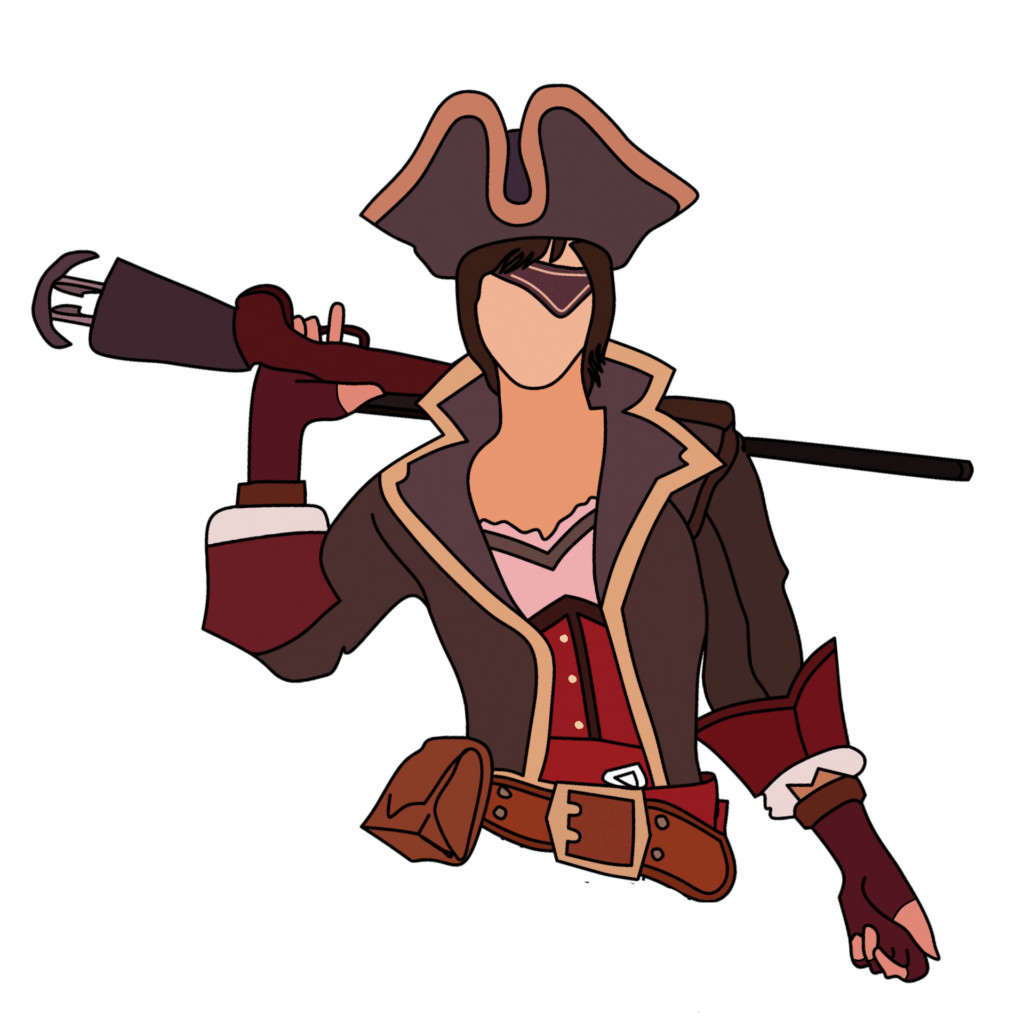
It’s worth a pause here to ask what an antihero is, beyond the marketing copy. They are not just villains with better lighting, but protagonists whose methods are flawed and/or unconventional, whose choices always come with a cost, and who the reader loves because their flaws and contradictions make them genuinely relatable. Done well, it is one of the more difficult character-types to write, and it works best when the compromises they make cost them something significant. When those compromises change who they are, when the story doesn’t quietly let them off the hook by the last chapter, it’s a real craft achievement that deserves to be celebrated.
What doesn’t work, and what I’d argue is prevalent in romantasy today, is moral ambiguity as a pose, or even just a costume. A protagonist gets a tragic backstory, a few “ruthless” one-liners, maybe a body count the narrative treats as a personality trait, and that’s supposed to read as depth when it’s really just a shortcut. True moral complexity requires the story to work through the cost of a bad choice. Moral ambiguity for aesthetics doesn’t require much more than a smirk and a black wardrobe.
The Real Shortage Isn’t Complexity. It’s Nerve.
When every protagonist in every book on the shelf is compromised in this photogenic way, moral clarity stops being the boring, easy choice and becomes the genuinely risky one. It’s easy to write a character who cuts corners — the corner-cutting generates its own drama for free, and readers have been trained for over a decade now to read “ruthless” as a synonym for “interesting.” It is much harder to write a character who consistently tries to do the right thing in tough circumstances, and to make those choices compelling on the page, scene after scene, without the story going soft or sentimental.
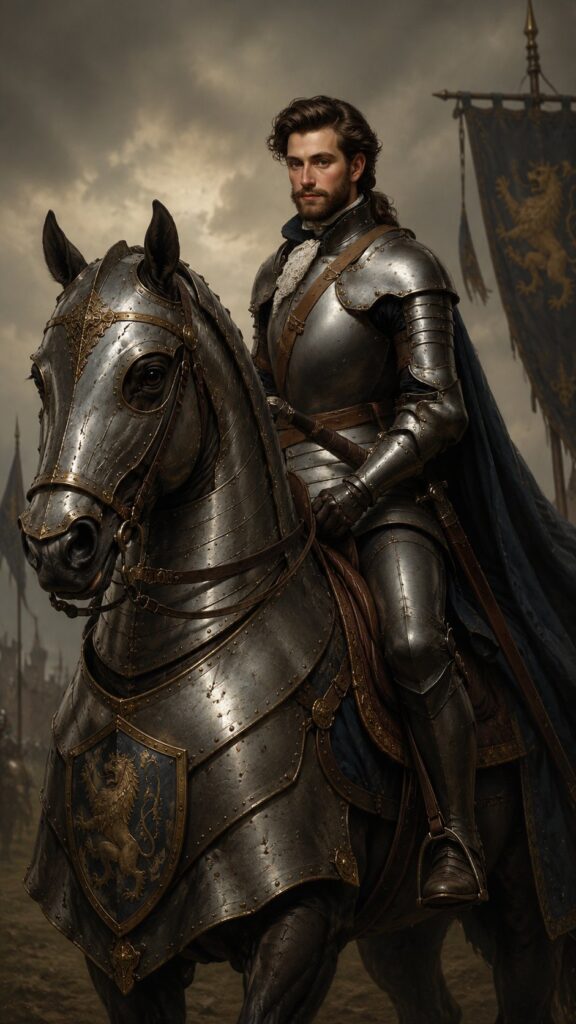
That’s not a new observation around here, either. We’ve written before about the readers who are tired of grimdark’s assumption that cynicism equals depth and are actively looking for something else — heroes who win without becoming the thing they’re fighting, virtue that gets rewarded instead of punished for being naive. I don’t think that hunger is a niche preference. I think it’s what happens naturally once a market oversaturates on any single flavor of protagonist, antiheroes very much included.
Why Athos Isn’t an Antihero
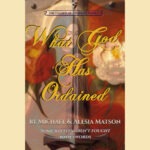
So when it came time to write Prince Athos, the romantasy hero of What God Has Ordained, we made a deliberate choice: we didn’t write him “clean” because clean is easier. It isn’t. We wrote him with a conscience that stays intact under pressure because first, that’s who the character is. Also true is that it’s the harder, more interesting version of the character to sustain through an entire book.
What Athos doesn’t do is treat his own honor as a weakness to shed once the plot gets difficult. His integrity isn’t naivety for which the story is waiting to punish him. It’s the character trait that gets tested hardest, just when it would be easiest to let it go. In the story, it became an engine for generating tension that differed distinctly from “watch the antihero cut another corner.” Writing characters like this who keep choosing honor under real pressure, who make that choice feel earned instead of easy, turned out to be some of the hardest character work Michael and I have done.
Athos does have real flaws. He’s restless, short-tempered, impulsive, occasionally too quick to commit to a decision before he’s fully weighed it — that’s a genuine trait, not a coat of paint. Sir Guthlad, the knight who oversaw his training, spent years hammering a specific lesson into him: “Ain’t nobody perfect, lad. But not makin’ a decision is worse than makin’ the wrong one. Yah can learn from makin’ a wrong one. Makin’ none learns yah nothin’.” That’s a character flaw with real narrative consequences — a man who’s had to learn, the hard way, to trust his own judgment even when the cost of being wrong is most frequently measured in high body counts.
Honor as the Subversive Choice
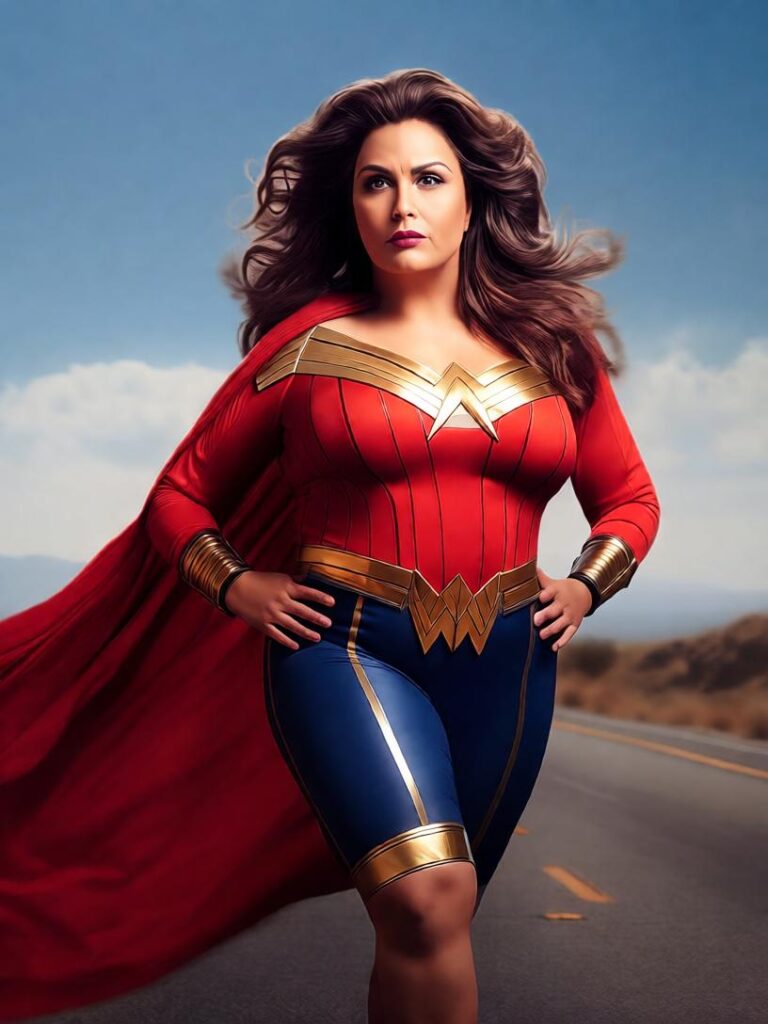
Here’s the question that’s actually stuck with me longest while I’ve been mulling and researching the topic: In modern genres saturated with compromised protagonists, is the “antihero” really the transgressive choice these days? Take a moment to consider whether the genuinely subversive choice, right now, might be writing the story of a hero who doesn’t need redeeming in the first place. And then make that person someone readers actually want to spend four hundred pages with anyway.
I don’t expect everyone to agree with me on this. Plenty of readers love their antiheroes, I have soft spots for a few of them myself, and plenty of those books justify that response. But if you’ve also felt a little antihero-fatigued lately, if you’ve caught yourself rooting, almost in spite of yourself — and the current mood of modern audiences — for the character who just tries to do the right thing, for the right reasons, you’re not alone. In fact, you’re in good company — there’s a whole corner of the genre, sometimes called noblebright, built around exactly that response.
Athos and Coralin’s story is told in full in What God Has Ordained, now available. Get your copy today.
Where do you land on antiheroes — worn out on them, or still here for it? Do you have a favorite? I’d genuinely love to know in the comments.
We use AI as a tool in our creative process — for research, drafting, editing, and keyword optimization. All content contains our human creative output and reflects our own creative vision, voices, and over-riding editorial judgment.
The Menelon Gazette
Enjoyed this? There's more where that came from — free reads, lore, and stories from behind the page, delivered straight to your inbox. No spam, unsubscribe at any time.