
Featured image by Leo from Pixabay
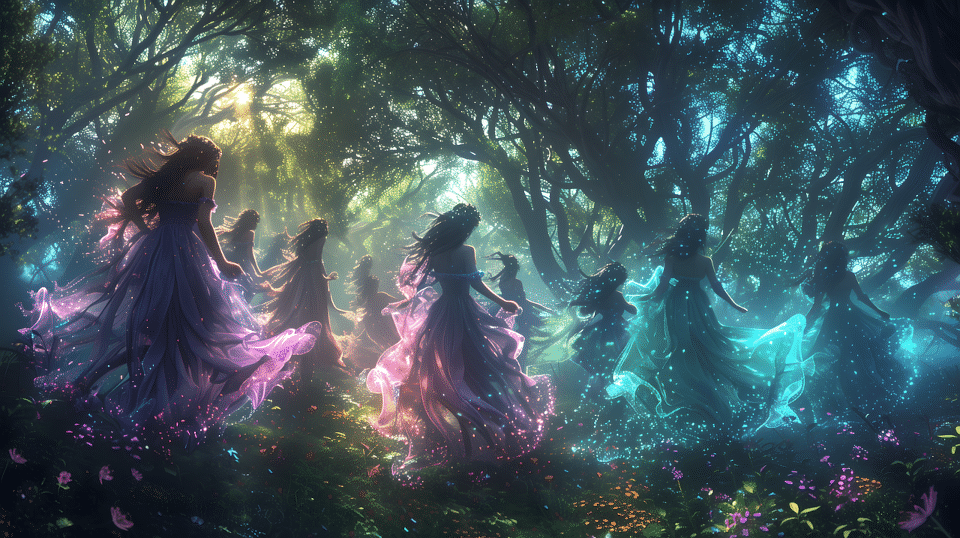
This is a strange season to try to frame an answer for this question, because three different fall releases are all betting you already know the answer. Wildwood opens in an enchanted forest crawling with fae. A Court of Splintered Harmony — ACOTAR 6 — arrives October 27th with the Night Court’s fae politics front and center. And Rings of Power comes back in November with elves doing what Tolkien’s elves have always done: carrying the weight of the world quietly, nobly, for a very long time.
Three different stories, three different answers assumed and never stated. So: are elves fae, or not?
Are Elves Fae? The Real-World Answer Is… Complicated
If you’d asked this question a thousand years ago, people might have assumed you were just confused. The álfar from Old Norse folklore were beings with power over luck, health, and misfortune. They lived right alongside humans in a world that had every reason to take them seriously. It was the Irish and the Scottish who gave us the aos sí in folklore. They were the people of the mounds, covering a category broad enough of what we’d now call both elves and fairies without bothering to draw a line between them.
The honest answer to “are elves fae” is that, for most of the mythology’s history, it wasn’t really a question anyone needed to ask. They weren’t two races sharing a genre in fantasy fiction. They were largely the same broad category of beings, described differently depending on which part of northern Europe you were standing in.
Then Tolkien Came Along (or Fae vs Elves, Modern Fantasy Edition)
The line we take for granted today is mostly the doing of one great man’s fertile imagination.
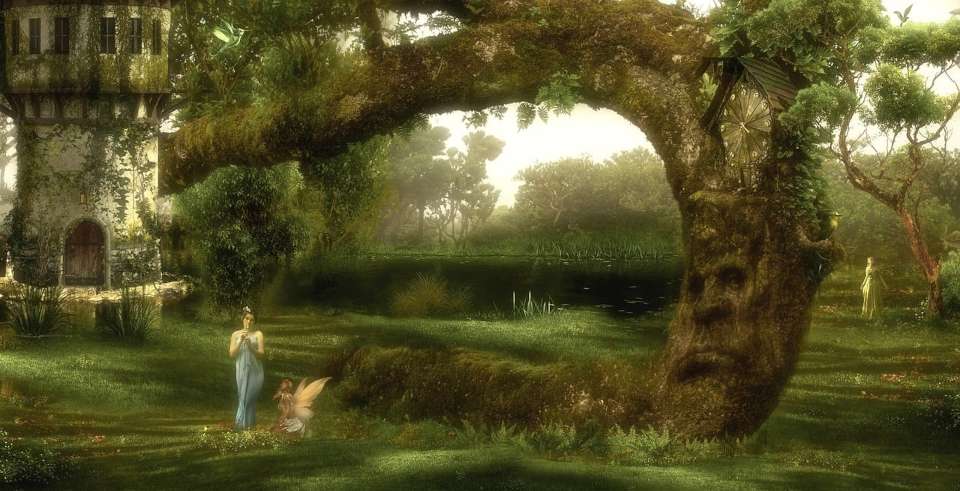
Tolkien’s elves are tall and beautiful. They are also noble, serious, achingly long-lived, and weighed down by history in a way that has nothing to do with mischief-making. They have homelands, languages, and griefs they carry for centuries. That’s about as far from the capricious, rule-bound tricksters of fairy lore as you can get, and it worked so well that it reshaped the entire genre. Post-Tolkien fantasy mostly treats fae and elves as two separate races: fae as creatures of an Otherworld, bound to its stranger rules and its own kind of amorality; elves as a dignified people with a nation, a history, and unusually excellent cheekbones.
The split isn’t really about biology. It’s about temperament and, prosaically enough, home address.
So, What’s the Difference Between Elves and Fae Today?
If you want the short version: elves belong to a people and a place — a nation with a past, even if that nation is falling or already fallen. Fae belong to an Otherworld, and however long they linger in ours, the rules of that other place travel with them.
That distinction isn’t a reliable one, especially once you start reading widely. Much of current romantasy leans hard into fae who look and act human — the same flaws, the same politics, the same capacity for cruelty and love, just turned up louder. Whether that’s a feature or a missed opportunity probably depends on why you’re reading the genre. Either way, it’s worth knowing going in that seeing “fae” on the cover doesn’t guarantee they’re any stranger than the humans you see around you, every day, regardless of the descriptions of their appearance.
On Menelon, Elves Are (Technically) Fae — Here’s Why
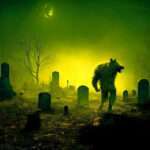
We’ve written before about Menelon’s faelings — creatures of chaos with no true form, who borrow a shape and a handful of memories for as long as they’re visiting, then dissolve back into chaos. By that definition, elves and dragons both technically count as fae too. Like faelings, they’re creatures of the god Eldar, too.
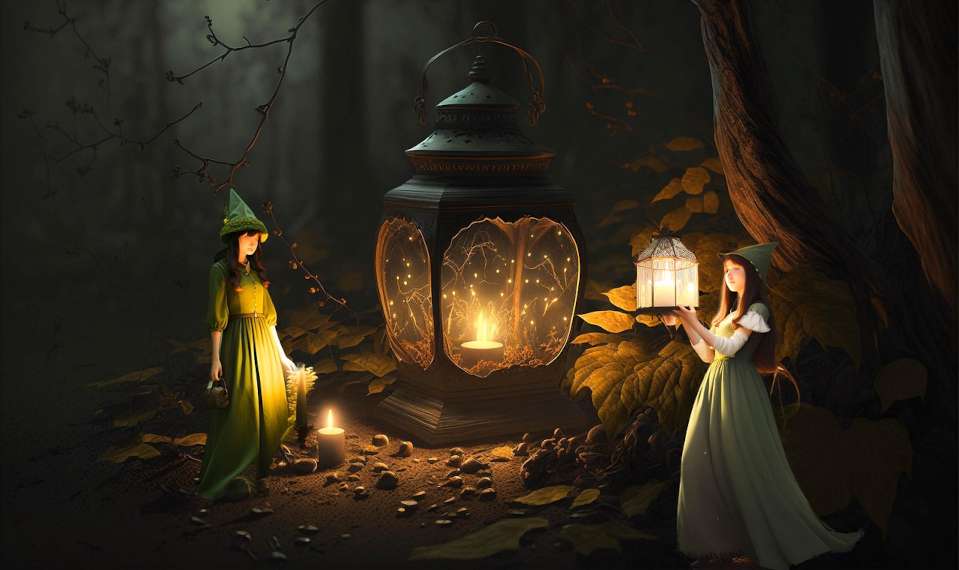
Here’s where they split off, though: elves don’t come and go from the chaos realm. If they are lucky, they live one long, consistent existence, start to finish. Just like the members of any mortal race do, and which is exactly what a faeling can never do. So if you came here specifically wondering about elves vs fairies, on Menelon that’s not quite the right question either. The line that actually matters isn’t elves-versus-fairies. It’s closer to “do you dissolve back into chaos, or don’t you?”
Elves are also the ones who tend the faerie circles — the portals between places that faelings love to gather around for reasons nobody fully understands. A wood only earns the name “elven wood” if it holds one of those circles, actively worked by elves who’ve made it their business to understand it.
So are elves fae, on Menelon? Technically, yes. Are they anything like the chaos-born tricksters wearing a werewolf’s shape for an afternoon? Not even slightly.
If you’re one of the readers ACOTAR 6 is about to send looking for more fae romantasy to read this fall, welcome — we’ve also rounded up the rest of the season’s biggest romantasy releases. And we’ve got a proper introduction to Menelon’s own elves coming soon, if this one left you curious for more.
And if Menelon has caught your imagination, we’d love for you to visit it in What God Has Ordained, Book One of our epic romantasy series, The Legacy of Chandar — available now!
What do YOU think? Elves or fae — if you had to live among one or the other, which would you pick, and why? Tell us in the comments, we’d love to hear it!
We use AI as a tool in our creative process — for research, drafting, editing, and keyword optimization. All content contains our human creative output and reflects our own creative vision, voices, and over-riding editorial judgment.
The Menelon Gazette
Enjoyed this? There's more where that came from — free reads, lore, and stories from behind the page, delivered straight to your inbox. No spam, unsubscribe at any time.