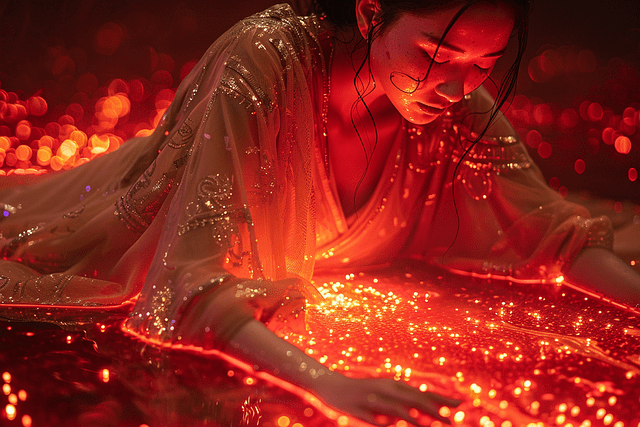

Featured image by Lisa Yount from Pixabay
If you’ve spent any time in the romantasy genre, you already know that a world’s magic system isn’t just window dressing. It shapes the story’s stakes, defines its power dynamics, and tells you something fundamental about how that world works. In romantasy worldbuilding, the best magic systems feel organic. They feel like they grew from the world itself rather than being bolted on for convenience.
But not all romantasy magic systems are created equal. Some are deliberately loose and feeling-driven. Others are rigorously rule-based. And then there’s what we’ve built in the World of Menelon. It’s definitely “home brewed,” but with effects and results anyone can recognize as “magic”—and it is different from anything you’ll find in the genre’s biggest titles.
Here’s the overview:
The Big Three Romantasy Series: Some of the Best Magic Systems in Fantasy
Three series have deservedly dominated romantasy for the past several years —
- Sarah J. Maas’s A Court of Thorns and Roses (or ACOTAR, as it’s known to its multitude of fans)
- Rebecca Yarros’s Fourth Wing
- Jennifer L. Armentrout’s From Blood and Ash
Each of these breathtakingly good novels take a distinctly different approach to magic.
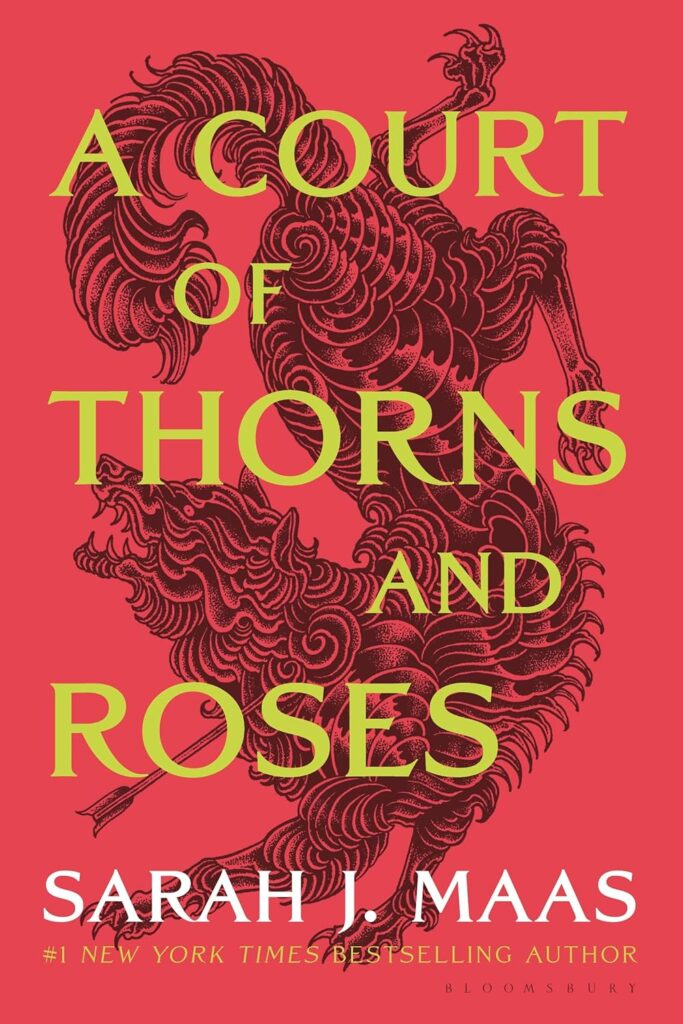
ACOTAR: Magic as Nature
In Prythian, the world of ACOTAR, magic flows from the land itself. It is an innate biological trait of the Fae — not something that can be learned, purchased, or trained into existence. Humans simply don’t have it, and because they don’t, they fear it. Moreover, there are no schools, no spell components, no wands or staffs. Powers manifest through will and emotion. For the most part these powers are invisible to non-magic users unless they are given a visible form.
It’s a beautifully atmospheric system — emotionally evocative and deeply tied to the natural world. Its deliberate looseness attracts some criticism from worldbuilding purists (fandom discussions around ACOTAR’s magic are spirited, to put it mildly). But I think that, for Maas’s purposes, a tight rule set would only get in the way of the story she’s telling.
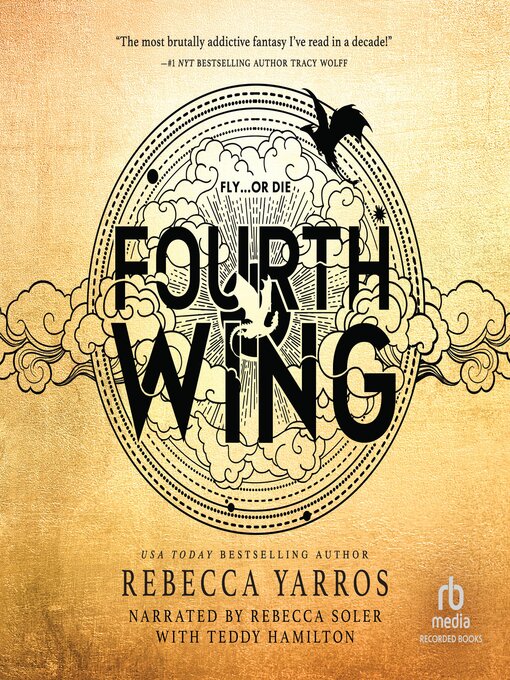
Fourth Wing: Magic as Bond
Rebecca Yarros takes a more structured approach in the Empyrean series. Here, magic exists in the world as ambient energy, but humans can only access it safely through a bond with a dragon. That bond eventually produces a Signet — a unique magical ability that reflects the rider’s core identity. No two Signets are identical. Try to draw power directly from the world without a dragon as conduit, and you risk becoming a Venin: a corrupted being who drains life from everything around them.
This is romantasy worldbuilding at its finest, and arguably the most rule-based magic system in mainstream romantasy. It has clear sources, clear costs, clear consequences, and an institutional framework (Basgiath War College) built around managing it. Magic here is dangerous, disciplined, and politically loaded.
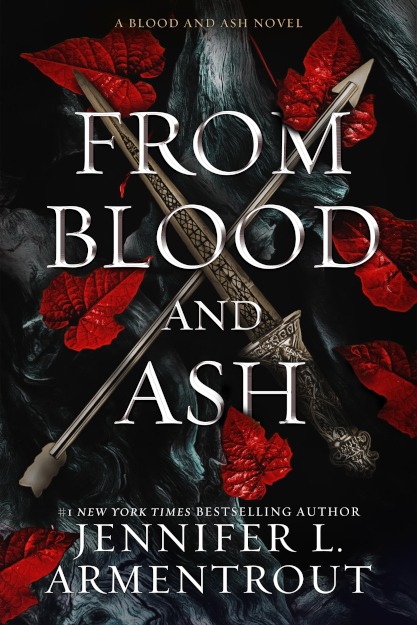
From Blood and Ash: Magic as Birthright
Armentrout’s world takes a third path entirely. In Solis and Atlantia, supernatural abilities are racial and divine in origin. Atlantians are descended from or touched by the gods. Their powers are biological facts rather than skills to be developed. The series’ magic leans heavily theological, which differences it from the other two. There’s no casting, no training, no visible spell effects. Power simply is.
Magic Systems in Romantasy: And Then There’s Menelon
We’ve been building the World of Menelon since 1994, and in that time we’ve developed an approach to magic that differs from all three of the above in one fundamental way: we draw a hard line between magic and miracles.
In Menelon, they are not the same thing. The distinction matters enormously — to the people who wield them, to the societies that govern them, and to anyone watching from the outside who might wonder which is which.
More on that in a moment. First, let’s talk about what magic actually is in our world.
The Quinta Essentia: Menelon’s Source of Magic
In Menelon, magic is the manipulation of the quinta essentia — the fifth essence, the fundamental animating force that permeates the world — by a gifted practitioner, to produce a desired result. It is not divine. It is not racial. It is not something the land does on its own. It is a skill, grounded in an innate gift, that must be developed through training.
Magic without training is not just ineffective — it is genuinely dangerous. A gifted individual who attempts to manipulate the quinta essentia through trial and error risks serious harm to themselves and those around them. The gift must be carefully, meticulously shaped.
This brings us to an overview of Menelon’s four broad categories of magical practitioners. I’ll be going into more depth on them for future posts in this series, but for now, here’s an overview.
The Five Classes of Magic Users in Menelon
Modern Mages
Modern mages are the most formally trained of Menelon’s magical practitioners — the scholars and high practitioners of the quinta essentia. Their gifts are prodigious; their training consists of at least a decade of university-level education and apprenticeship. Once they “graduate,” their abilities are nearly unparalleled, for any result they can conceive they can create, as long as they know how. A mistake in formulation can be dangerous for a modern mage, as well as those around them. They are always either respected or suspected depending on where they choose to live, for they are among the rarest of the rare on Menelon.
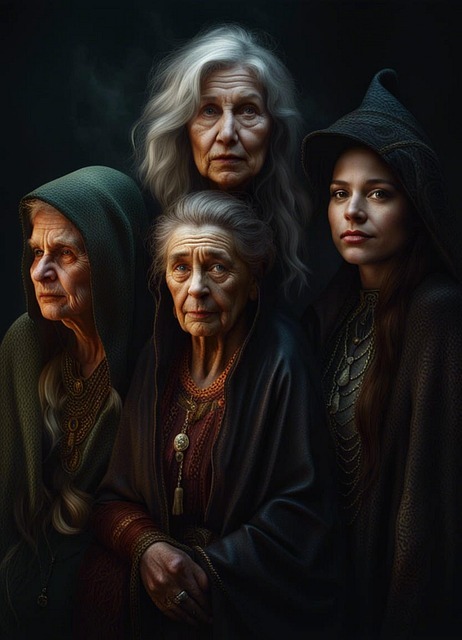
Hedge Wizards (and Witches)
Whereas modern mages operate within formal structures, hedge wizards are those with lesser gifts, They work at the margins, self-taught or informally trained practitioners whose command of the quinta essentia is narrower and less refined. However, they occur in any given population more often than modern mages, and they are welcome almost everywhere on Menelon.
Most can only cast a few rote spells of minor to moderate power, usually settling on learning spells that are helpful to them and their neighbors. For instance, they might help you find your lost cow, or hold up your roof while you repair it, or coax a cranky child to sleep. The effects are always temporary, never permanent — that kid is going to wake up eventually — but there is also little to no danger in spell failure, as there is for modern mages.
Healers
Healers represent a specialized application of quinta essentia manipulation focused on the body — diagnosis, treatment, and restoration. Their gifts range from minor to major; the training is specific and limited to the healing arts. After taking oaths as apprentices to “intend no harm,” their training is conducted first in classroom groups, then as apprentices in training to guild-sworn healers in hospitals, hospices, and healing centers around the world. Healers are welcome wherever human beings get sick or injured—and that’s everywhere.
Bards
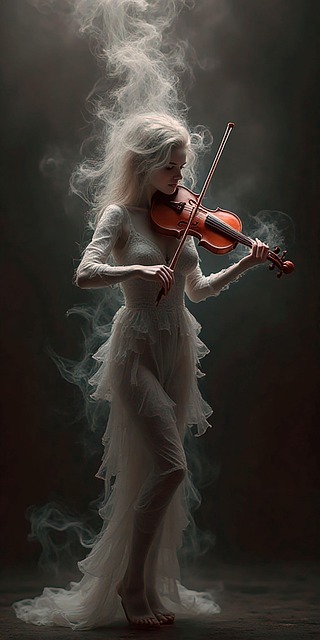
Bards occupy a unique and beloved place in Menelon’s magical landscape — entertainers whose innate gift with the quinta essentia flows through their art rather than their intellect or their hands. Whether musician, singer, actor, or dancer, a Bard’s performance is shaped by magic, sometimes subtly, sometimes powerfully. Bards can be trained at one of the four great bardic colleges, or they can learn their art serving as an apprentice to a working bard. Once released from their apprenticeship, they travel the world as sojourners, performing in village squares, posh drawing rooms, and concert halls—anywhere they can find an audience.
Bonus content: If the idea of a magically gifted bard appeals to you, our free short story Friends Like Gianni features one! Download it now, enjoy it later!
Industrial Mages
Perhaps the most distinctive category in Menelon — and the one most likely to surprise readers accustomed to romantasy magic — industrial mages apply quinta essentia manipulation to a single, practical, material end.
Comparatively speaking, their gifts are meager, but their training is quick, requiring at most a few weeks of direction by a modern mage. And the effects they invoke are minor: Some can heal up a shallow wound, or cause a crystal to emit light, or make an arrow explode into shards on impact, or heat a pot of water to boiling.
Their training was one of the inventions of the Great War (years 470 – 570 CE or “Common Era”), and their training quickly became the backbone of the magical war effort. Post-war, they have begun to reshape economies world-wide, enabling the mass production of light on demand, “cold boxes” for food storage, and ships’ sails that don’t need wind, to list just a few of the innovations of this new class of mages.
Magic Systems in Romantasy? But What About Miracles?
Here’s where Menelon’s approach to the supernatural diverges most sharply from anything you’ll find in ACOTAR, Fourth Wing, or From Blood and Ash.
In Menelon, divine power exists — and it is emphatically not magic.
The clerics and priests of Menelon’s various faiths can invoke miraculous effects through their relationship with their divine sources. To an outside observer, the result might look indistinguishable from a modern mage casting a spell. But the mechanism is entirely different. A mage manipulates quinta essentia through training, and the results are limited in scale to the amount of quinta essentia they can handle.
But a cleric asks. The response comes not from within the cleric, but from their Divine Source, or God— and as long as the cleric is in their God’s good graces, it’s effectively unlimited.
Whether that distinction matters to the person being healed on a battlefield is debatable. Whether it matters to the cleric and the mage standing next to each other? Absolutely.
This separation of magic from miracle gives Menelon’s world a theological depth that most romantasy settings don’t attempt — and it creates rich dramatic possibilities when the two come into contact, conflict, or are confused for each other.
This is the first in a series of deeper dives into Menelon’s approach to the supernatural. In the next installment, we’ll take a closer look at Mages — their training, their social status, and what it’s like to manipulate the quinta essentia in practice.
What do you think so far? Have you read any of the romantasy novels I mentioned? What did YOU think of how the author employed magic in her world? We’ll never know if you don’t tell us, so scroll down to the Comments section to enlighten us!
We use AI as a tool in our creative process — for research, drafting, editing, and keyword optimization. All content contains our human creative output and reflects our own creative vision, voices, and over-riding editorial judgment.
The Menelon Gazette
Enjoyed this? There's more where that came from — free reads, lore, and stories from behind the page, delivered straight to your inbox. No spam, unsubscribe at any time.