


Enemies to Lovers, Found Family & Other Romantasy Tropes, Explained

If you’ve been reading romantasy and fantasy romance for long, you’ve surely seen these terms hundreds of times. You’ll catch them while scrolling BookTok or Instagram, or browsing Amazon reviews, or sometimes when you’re skimming a back-cover blurb that promises “enemies to lovers!” as if that tells you all you need to know. And maybe you’ve nodded along without ever quite pinning down what separates one trope from the next, or why your brain lights up for one and not another. You don’t need to feel embarrassed about that. “Trope-based discovery” is pretty much how BookTok works now — readers search by “vibe” or feeling, not by author or title, and for better or worse, the whole ecosystem of romance and romantasy recommendation has reorganized itself around these phrases.
So let’s stop here and take a moment together to define them. I won’t point you to any books (with what I hope are two understandable exceptions), no recommendations — just the tropes themselves, what they mean, and why they hit the way they do, especially once you add fantasy stakes on top.
Enemies to Lovers Trope
The first and arguably most popular trope features two people who start out working against each other. They may be rivals, sworn opposites, or people with reasons to get away from the other — and they fall for each other along the way instead. The pleasure of reading this kind of story is in the distance traveled: the bigger and stormier the gap between “I hate your guts” and “I can’t live without you,” the better the payoff.
In romantasy specifically, “enemies” rarely means a cute misunderstanding at a coffee shop. It usually indicates two people on opposite sides of a military, religious, or cultural war. Or perhaps they’re under the power of a sworn oath, or even under a death sentence that never quite lifts. You read on as these two slowly, stubbornly, learn to trust each other. The stakes of hating each other are real, which is exactly what makes falling for each other hurt so good.

Forced Proximity Trope
Two characters, one circumstance, nowhere else to go, and no way out. It could be a shared quest, a locked tower, a bounty contract neither of them can back out of, but whatever the device, the point is that neither person chose to be stuck with the other, and now they have no choice but to actually see each other up close. Publishers have leaned into this one hard in recent years, and it’s easy to see why: employing the forced proximity trope saves the author some plot-work in getting two guarded people to let down their hair, without either of them having to admit they wanted to in the first place.
One Bed Trope
This is a specific and well-loved aspect of forced proximity, one popular enough to earn its own name. You can almost picture it in your mind’s eye: two travelers, dirty and weary from the journey who just hope for quiet and safety as they head for the inn. But alas, it’s full. Or maybe it starts out at a safehouse that has exactly one room. Whatever the case, there always is, somehow, only one bed, and somehow both characters have to sleep in it. It’s a trope that runs almost entirely on tension rather than plot — what matters isn’t how the characters end up here, it’s every small, charged decision they make once they are.
Grumpy Sunshine Trope
In a story using this trope, there is one character who is closed-off, prickly, and maybe even outright hostile to “joy” as a concept. The other is a kindly, loving character who insists on being kind to them anyway. Put the two side by side long enough and it’s the grump who starts to crack — not because the “sunshine person” fixes them, but because being looked at kindly and consistently by someone who means it exerts its own kind of pressure. It’s a trope that uses this contrast to apply the emotional pressure that moves the plot to its resolution.
Fated Mates Trope
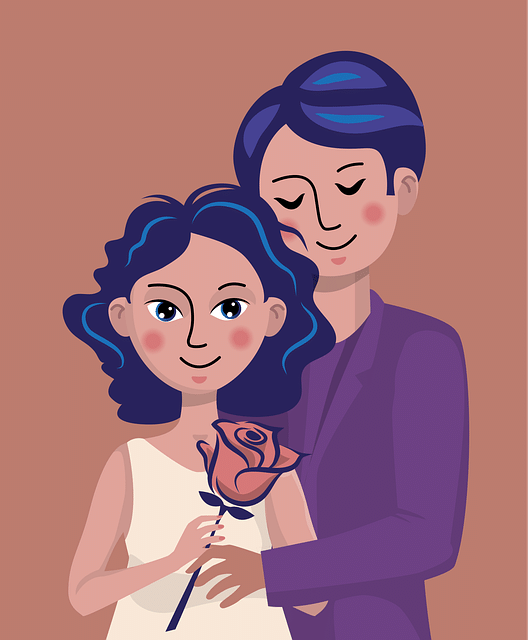
It could be magic, or perhaps a prophecy, or maybe even destiny that steps in to declare that two specific people belong together. This could be shown by a bond, a mark, or a pull neither of them can out-argue no matter how hard they try. It’s a trope unique to fantasy romance in particular, since it requires a magical world to work. The “fate” has to be a real, external force, not just a feeling two characters are having about each other. Done well, it raises the question every fated-mates story eventually has to answer — is it destiny that decides who they love? Or does it just get them in the same room, and leave the loving part up to them?
And I’m grinning as I’m writing this, because this one’s very close to home: it’s pretty much the shape of Athos and Coralin’s story in What God Has Ordained — two people bound together by a prophecy neither of them saw coming, with all the arguing-with-destiny that this implies.
Found Family Trope

This trope reflects the family that a character builds on purpose, by choice, when the one they were born into is gone, broken, or never showed up in the first place. It can run alongside the central romance or stand entirely apart from it, and it’s one of the tropes you’ll often find outside of romantasy, too — but fantasy and romantasy settings give it an especially sharp edge, because found family usually forms under real danger, which means every person who stays does so intentionally.
It’s another trope that’s close to our hearts here, too. Our free novelette, Meridar Outpost One, follows a young Coralin Callens, who has to find the courage to defy every authority in the Holy Land to answer a call only she can hear — and then surrounds herself with a “found family” of knights-paladin, bonded together in danger, once she gets there. Sign up for our newsletter and it’s yours, for free.
That’s six of the romantasy tropes you’ll run into constantly, defined plainly — though honestly, there are dozens more, and new fantasy romance tropes get named and renamed by readers every season. What is your favorite “enemies to lovers” pairing? Which story handled “forced proximity” the most intensely — or the most hilariously? Who does “grumpy-sunshine” the best? I would purely love to know, so be a pal and share it with us in the comments!
And if “fated mates” is the trope you’re chasing most: What God Has Ordained, the first book in The Legacy of Chandar series, is available now! Grab your copy today, and Happy Thanksgiving from us to you! 🦃
We use AI as a tool in our creative process — for research, drafting, editing, and keyword optimization. All content contains our human creative output and reflects our own creative vision, voices, and over-riding editorial judgment.
The Menelon Gazette
Enjoyed this? There's more where that came from — free reads, lore, and stories from behind the page, delivered straight to your inbox. No spam, unsubscribe at any time.